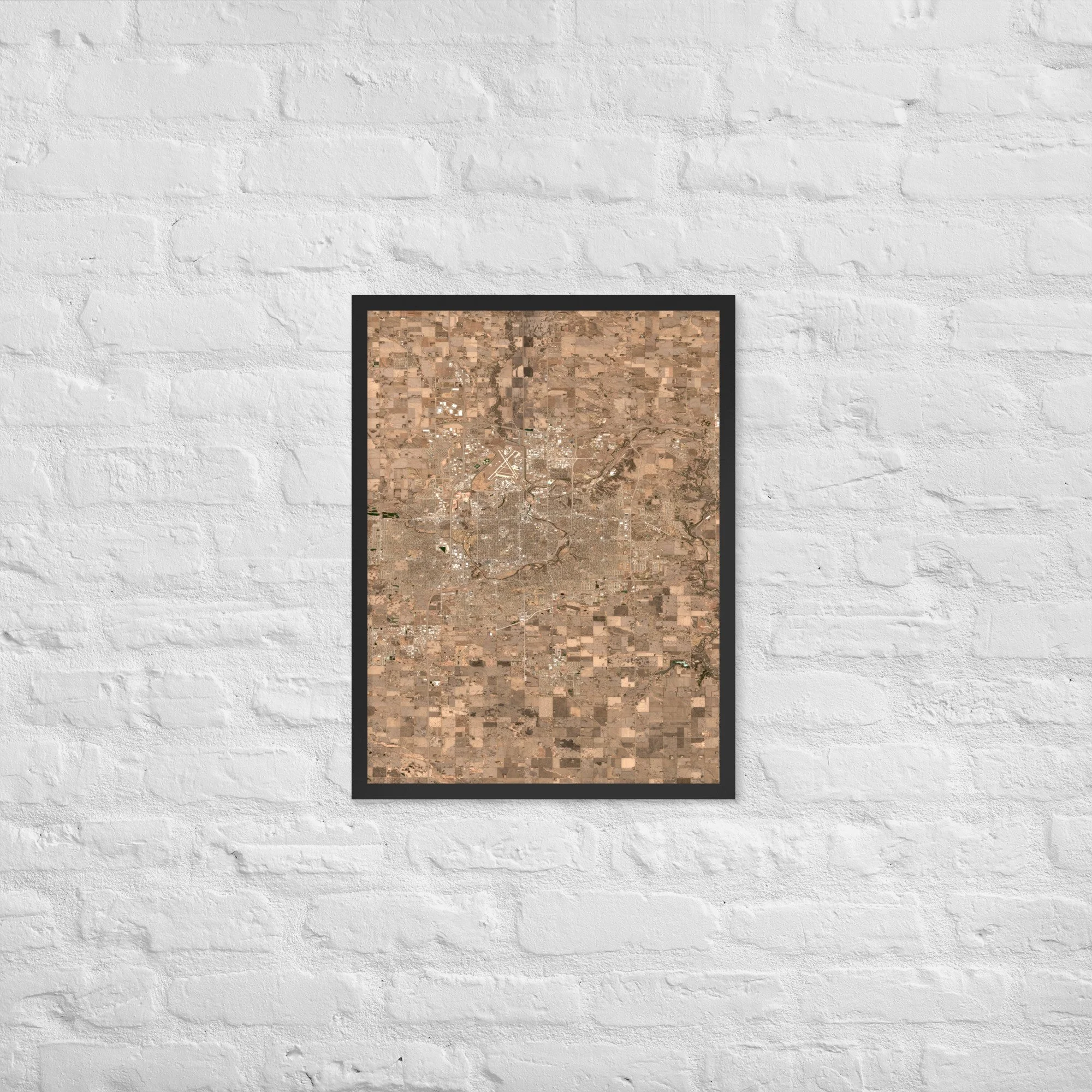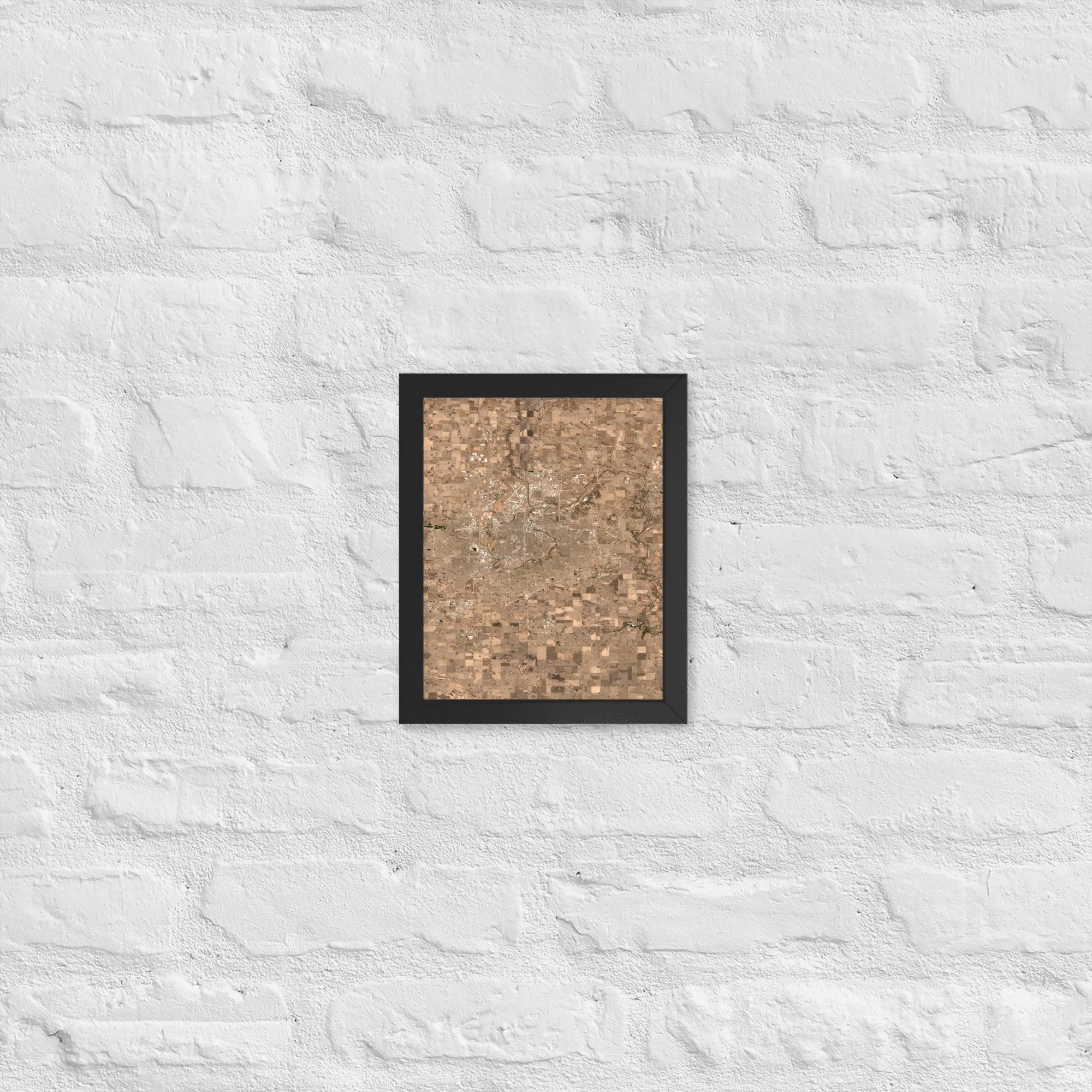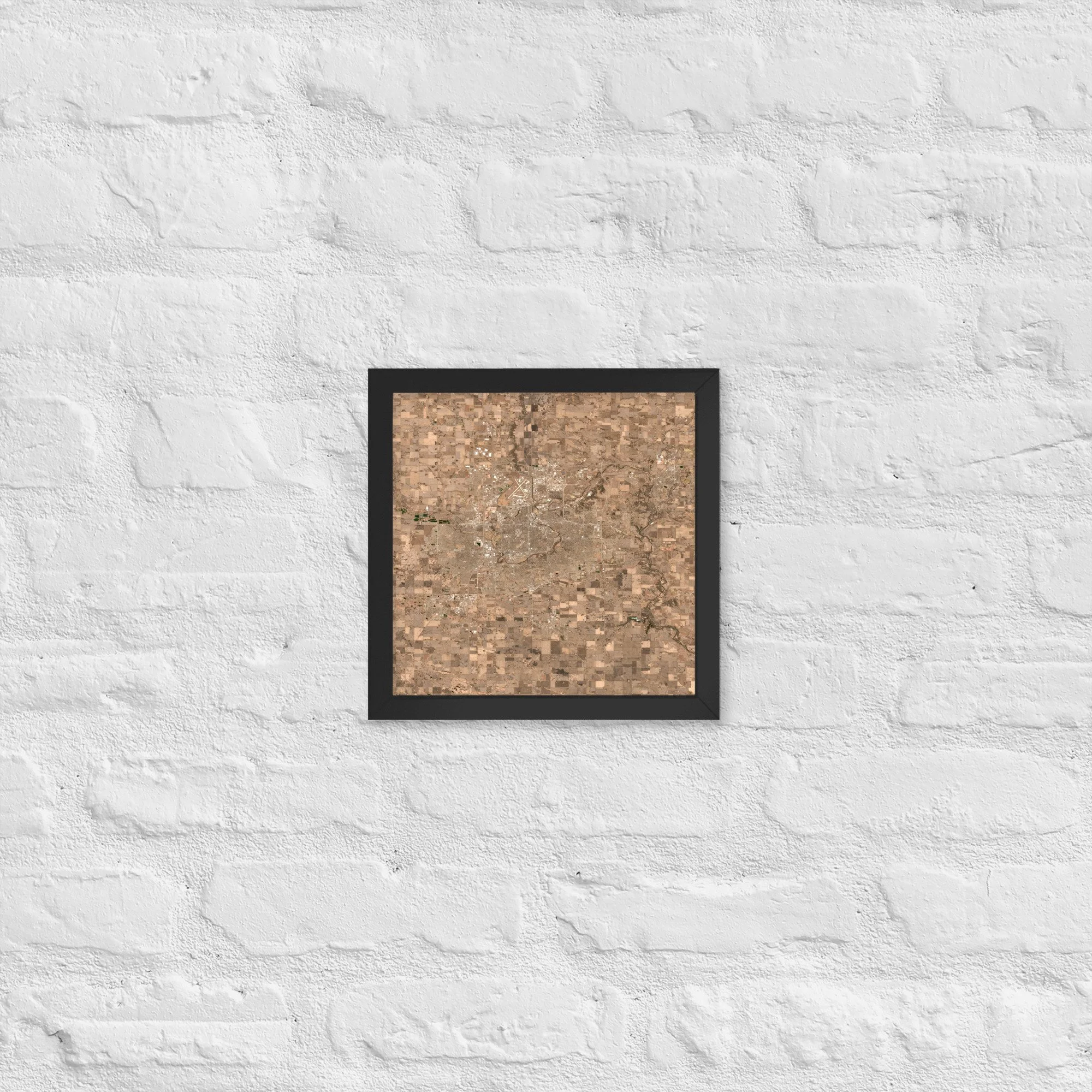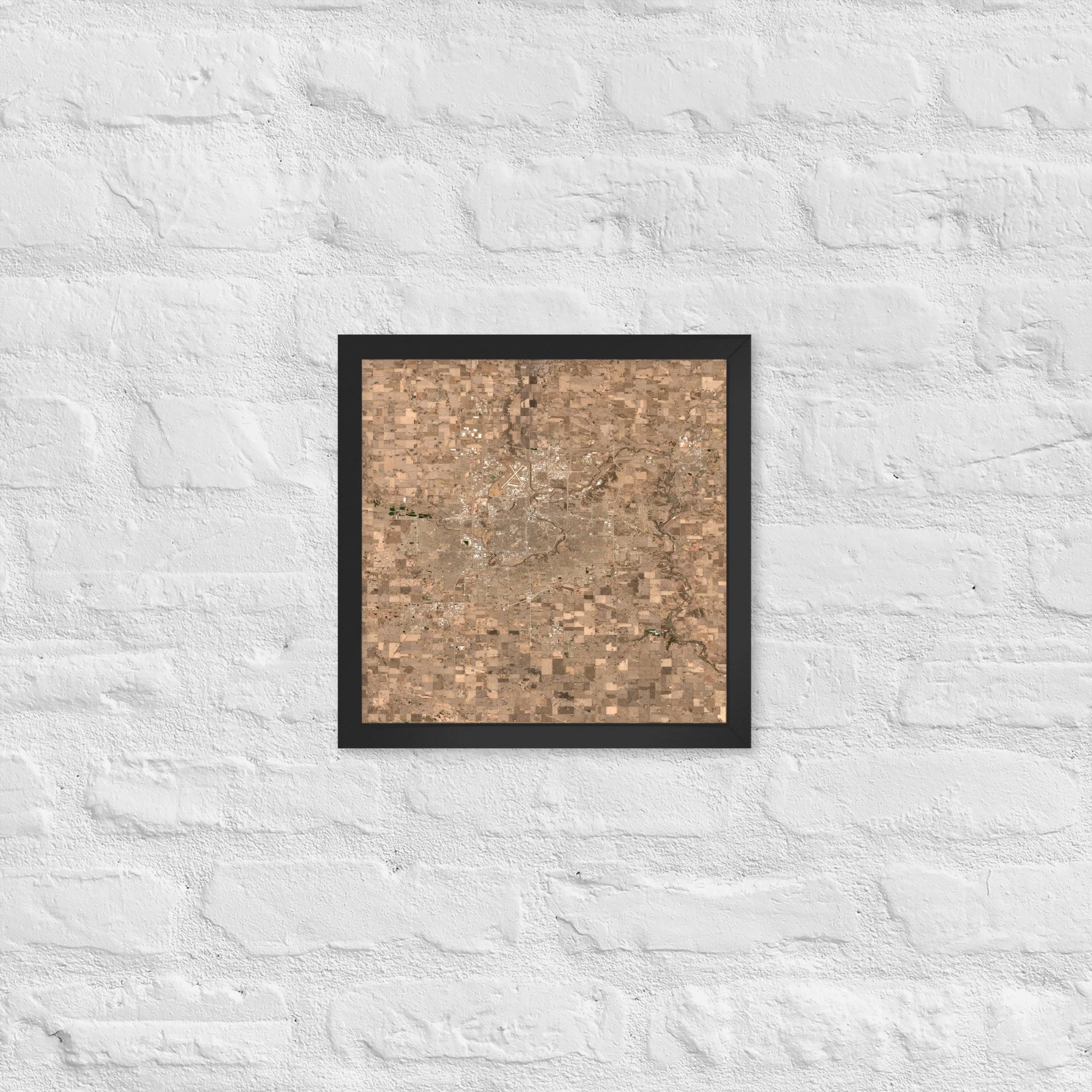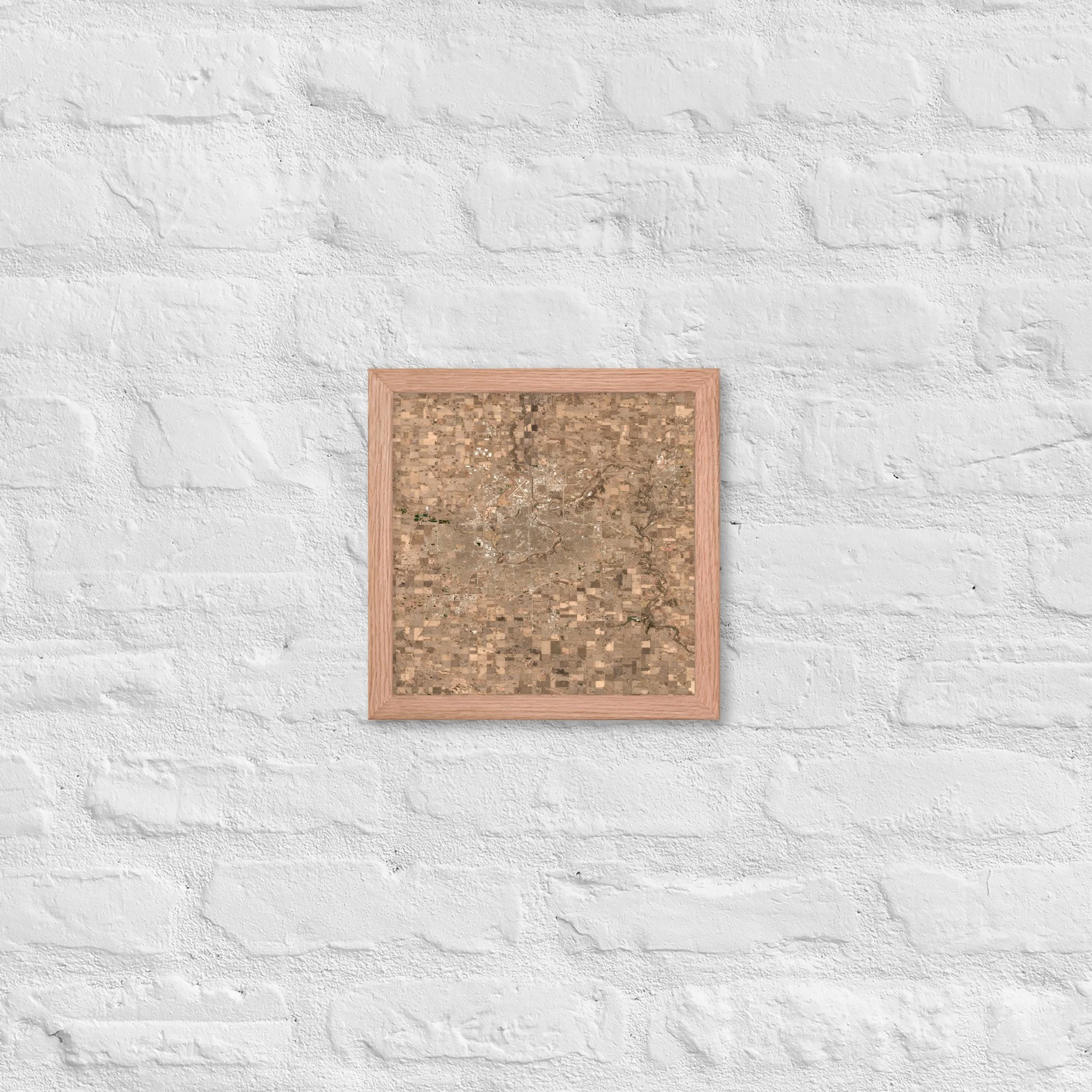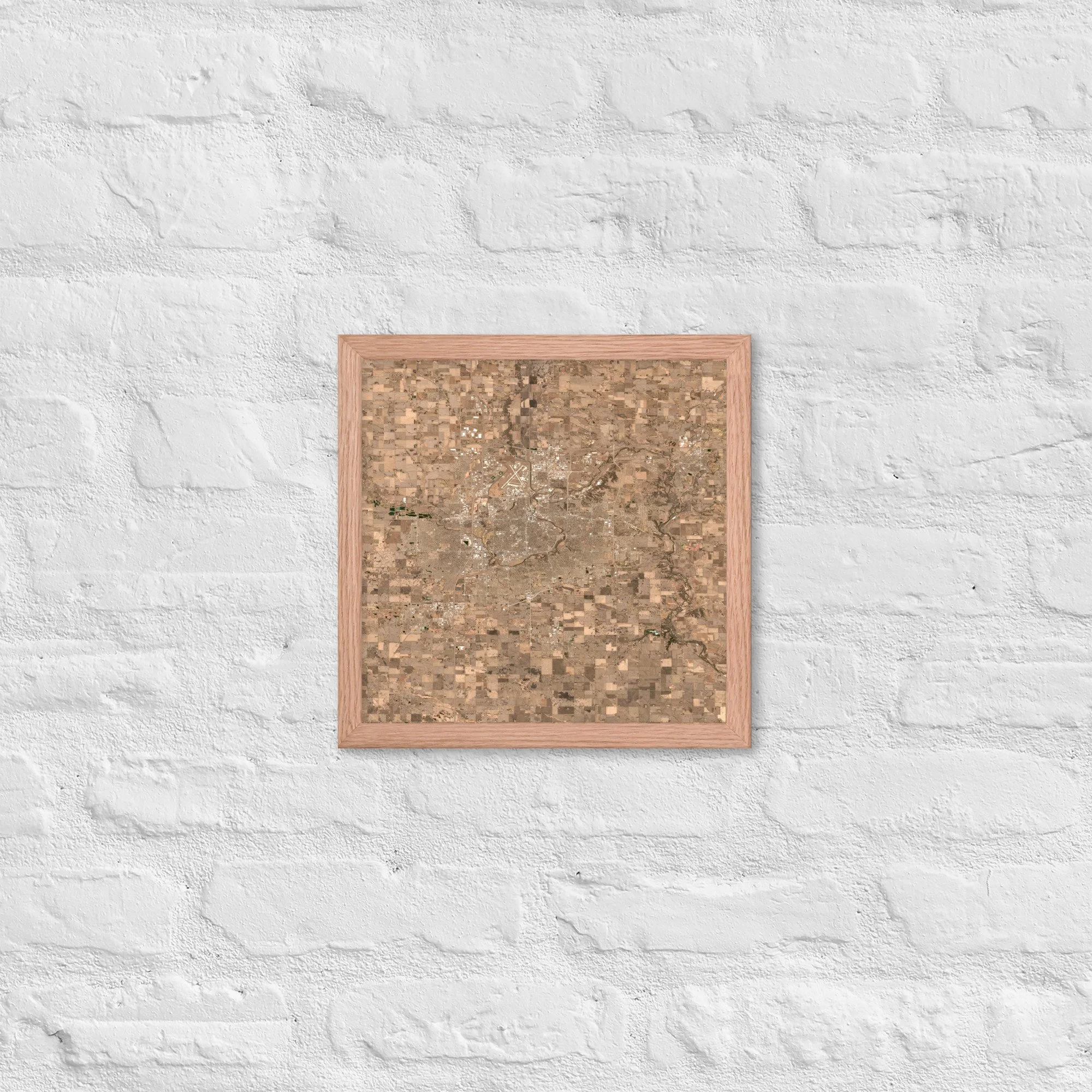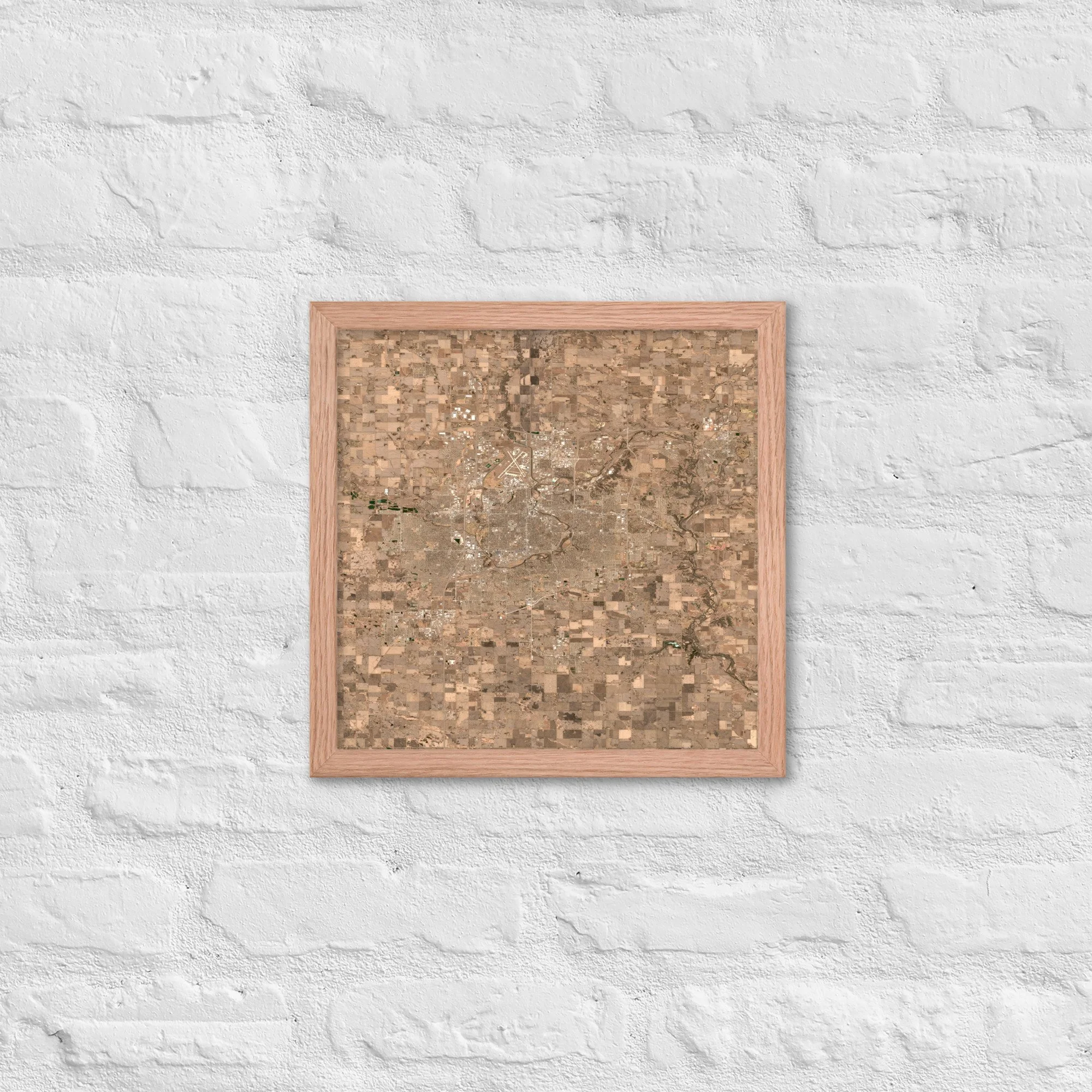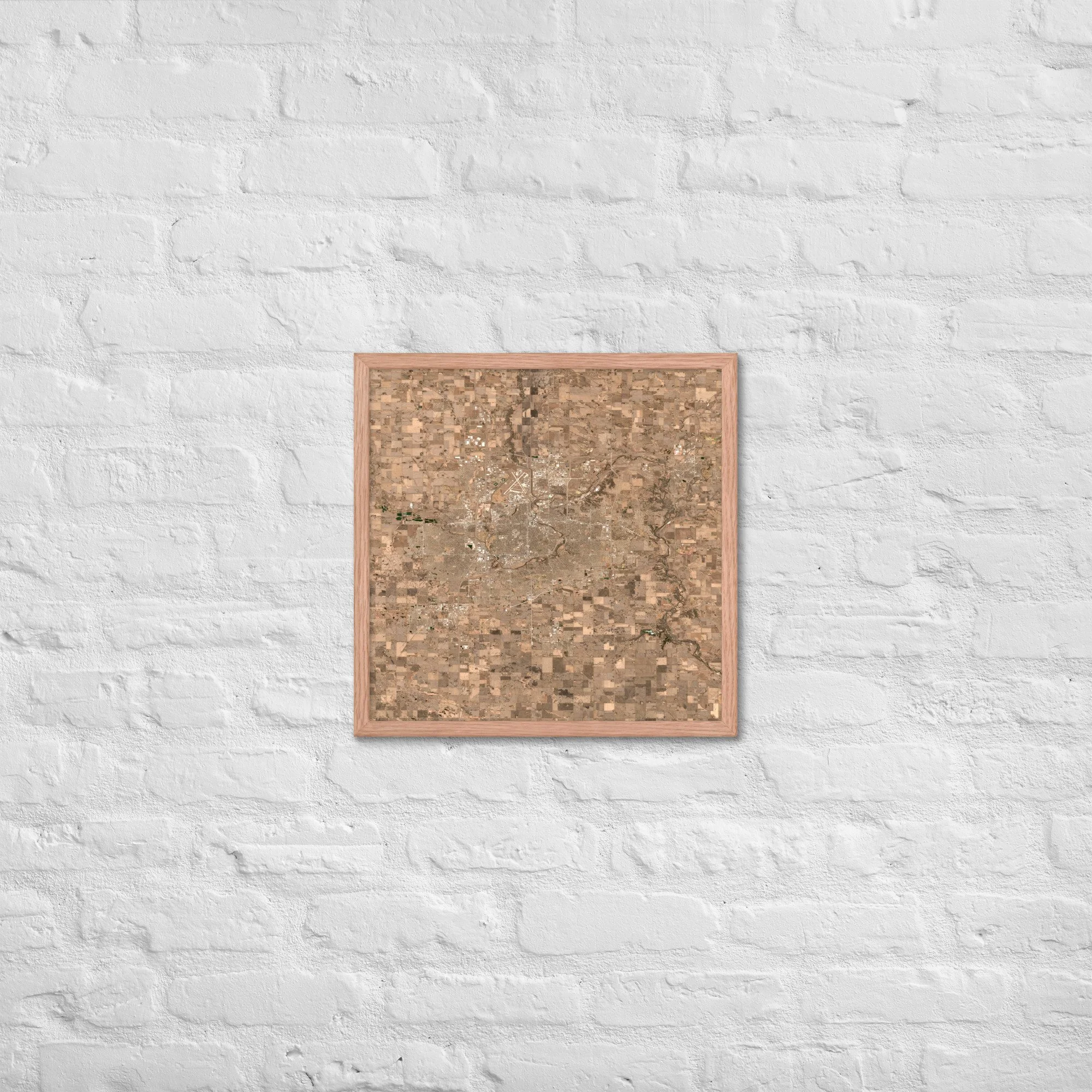
Death Valley National Park Satellite Image Map – March 20, 2026

$4.99
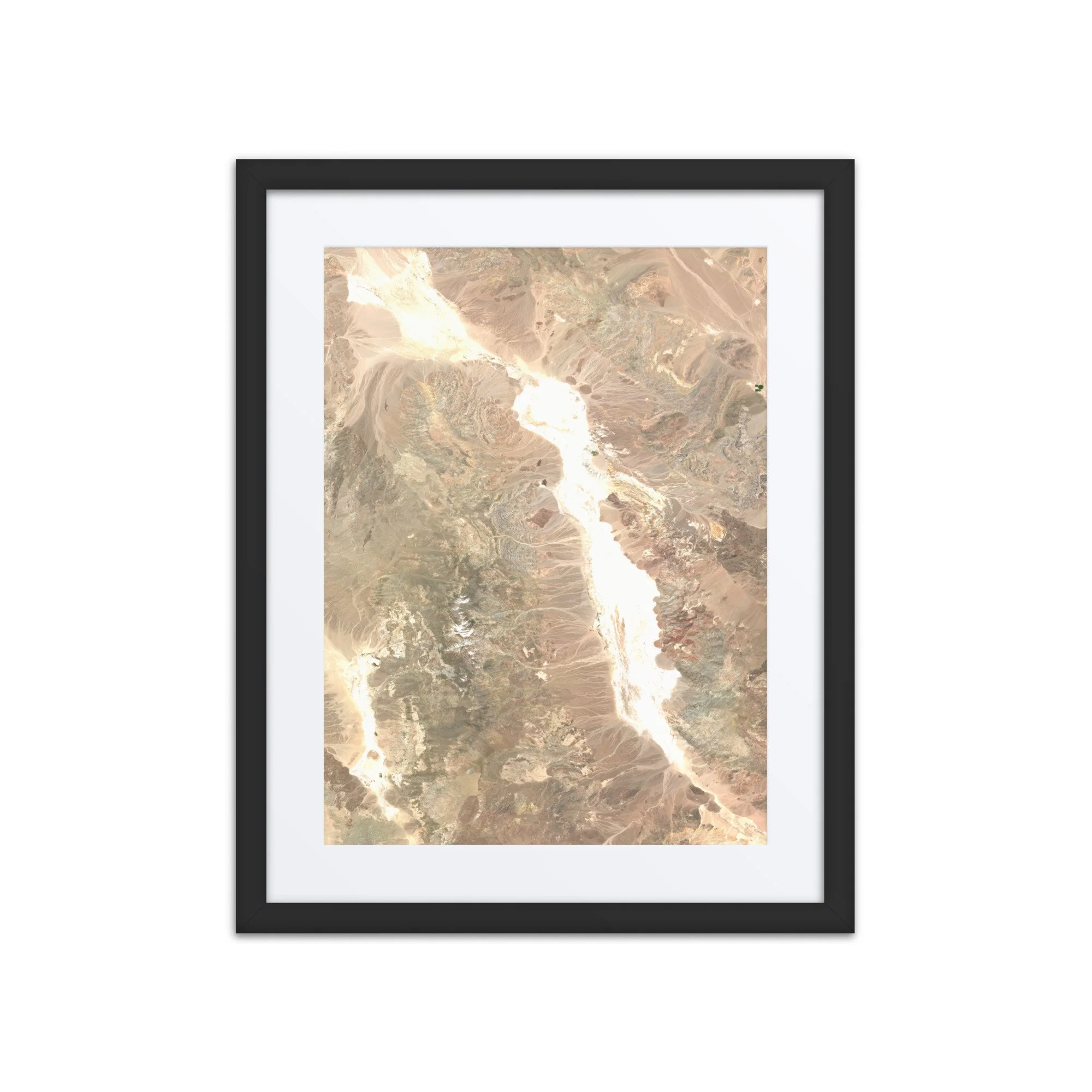
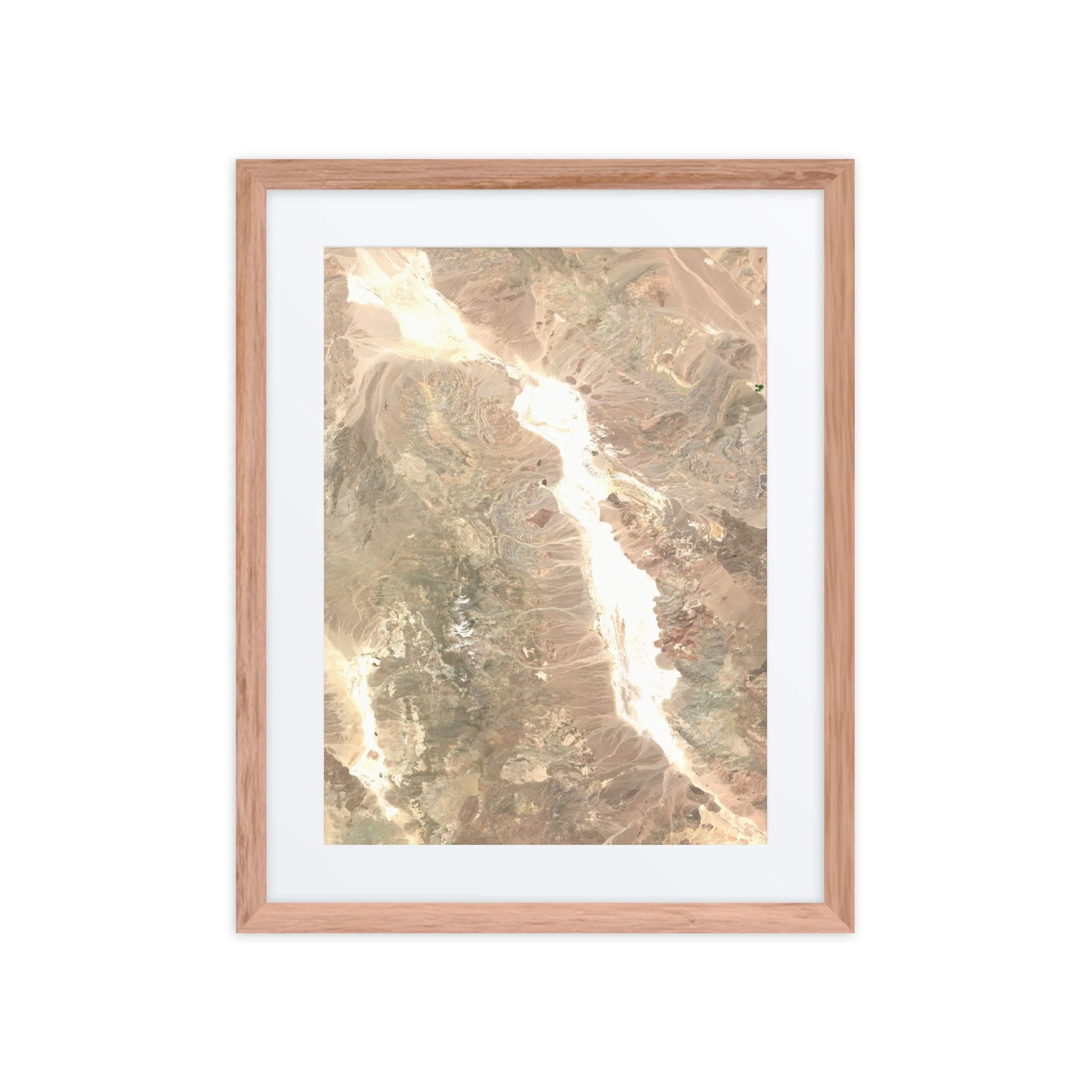
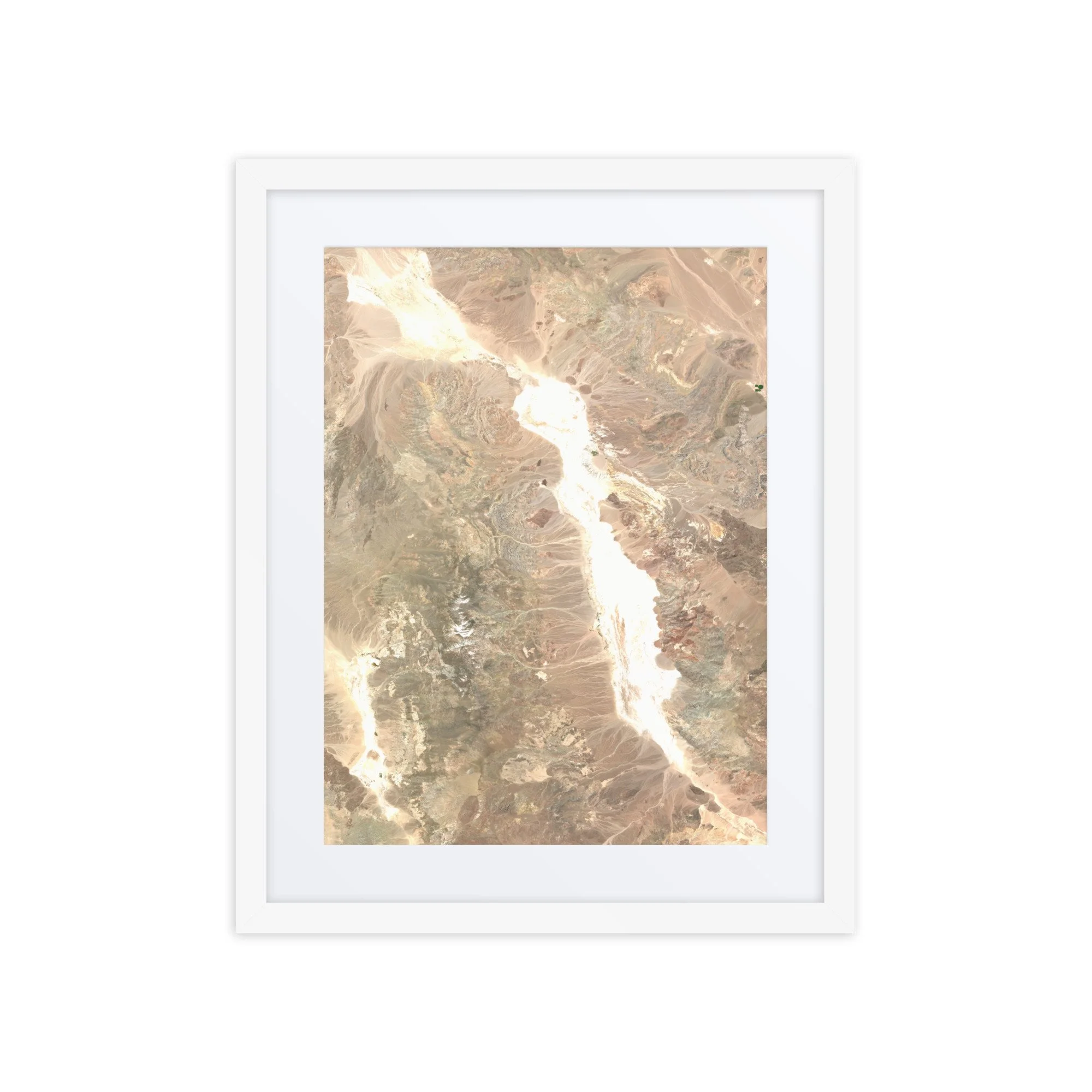
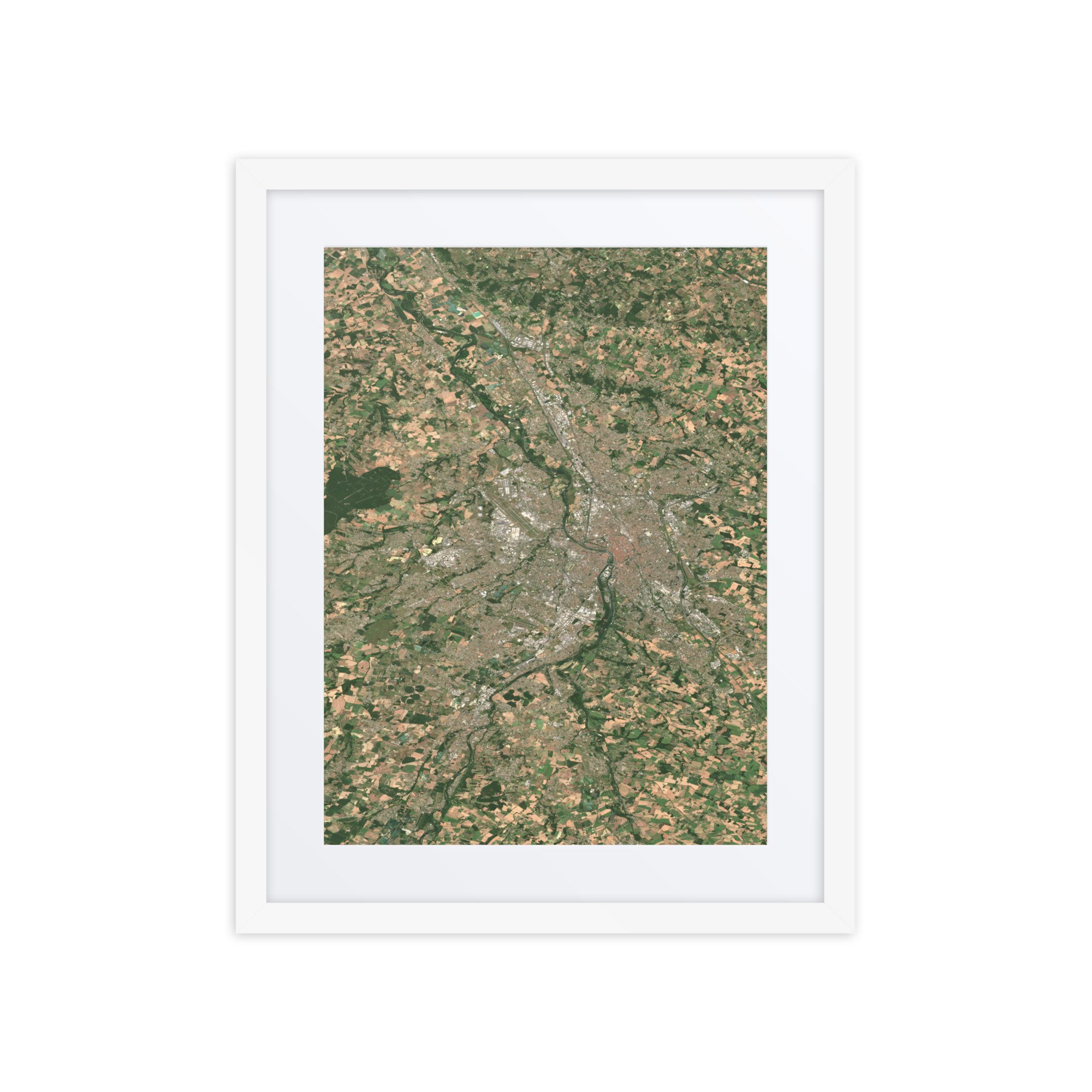
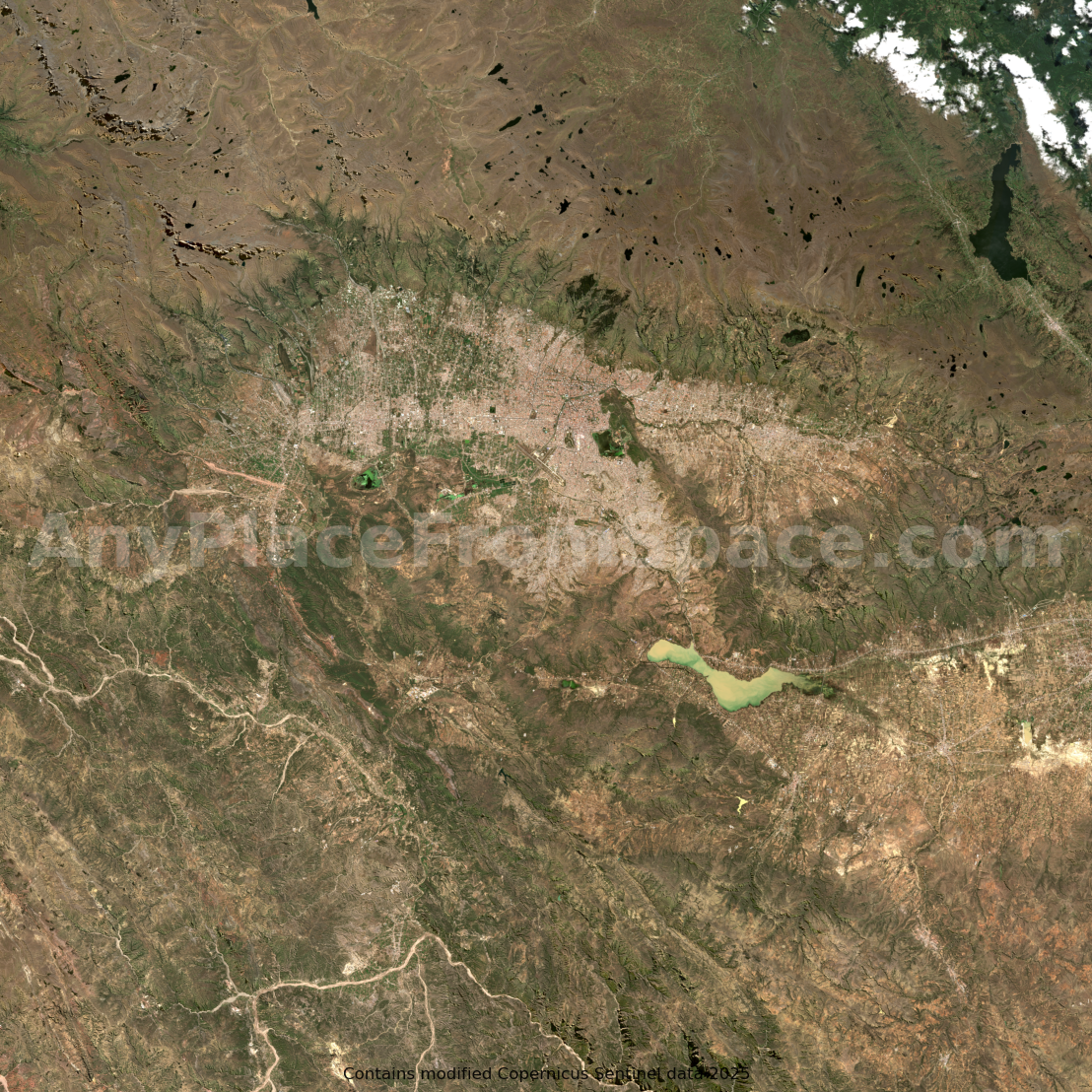
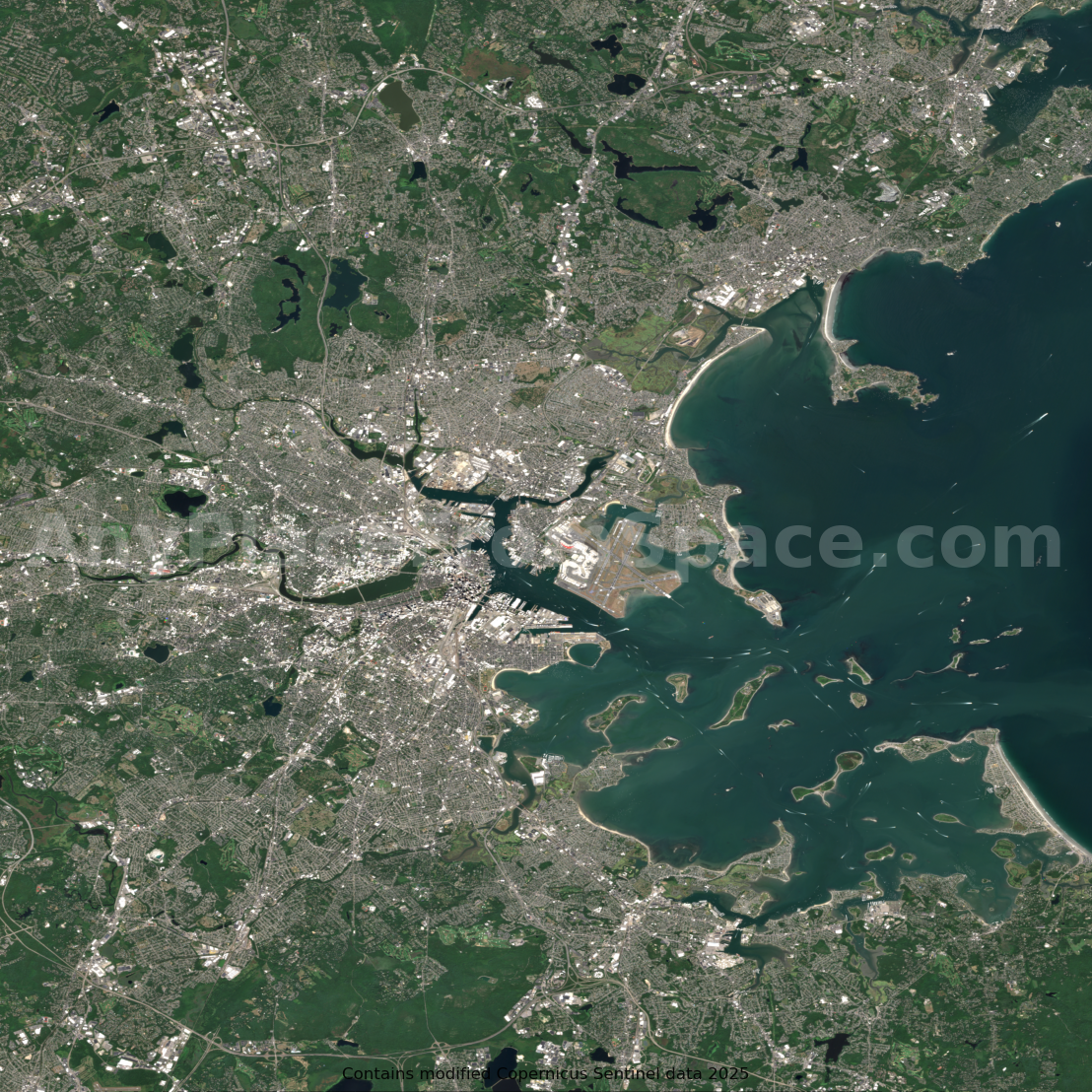
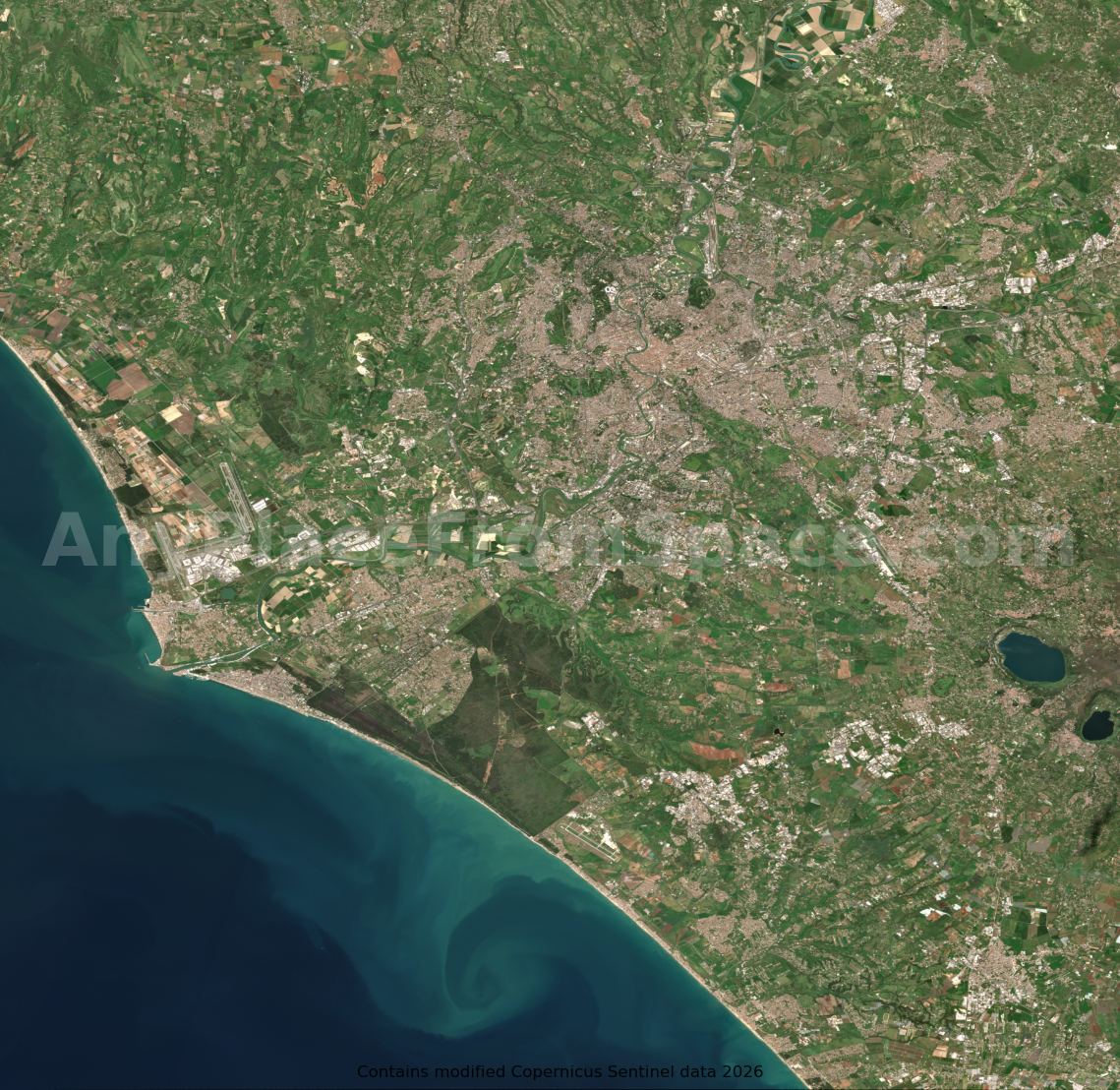
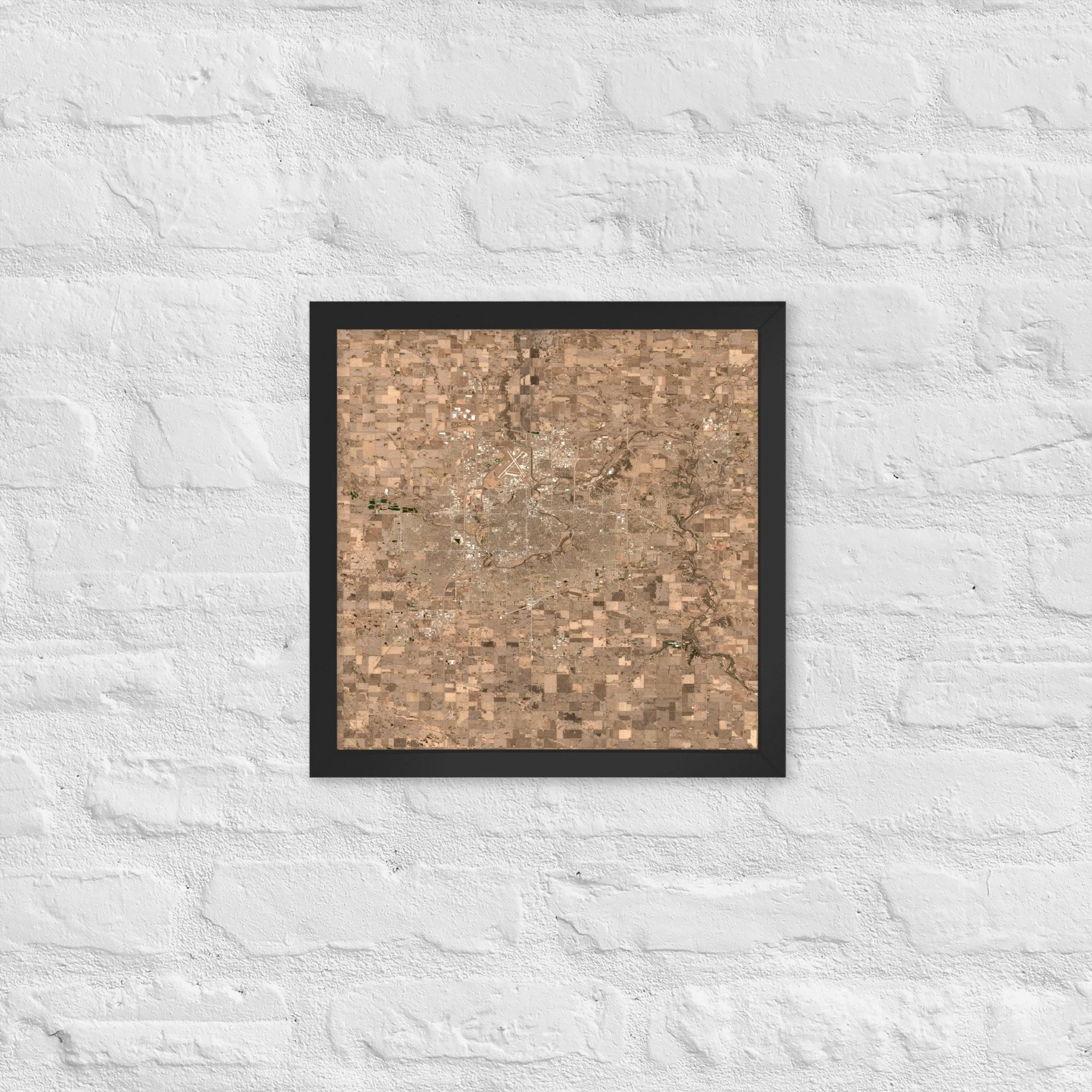
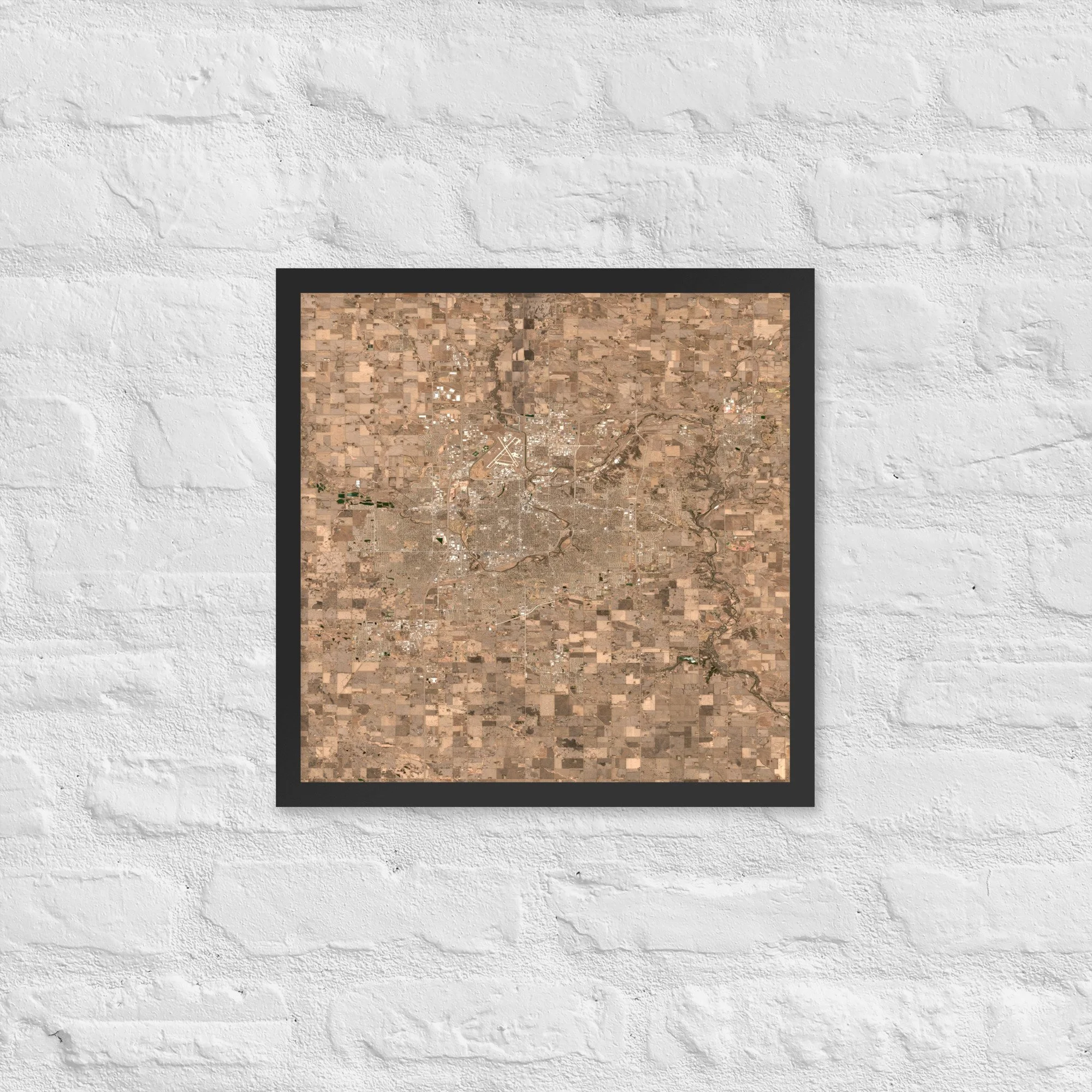
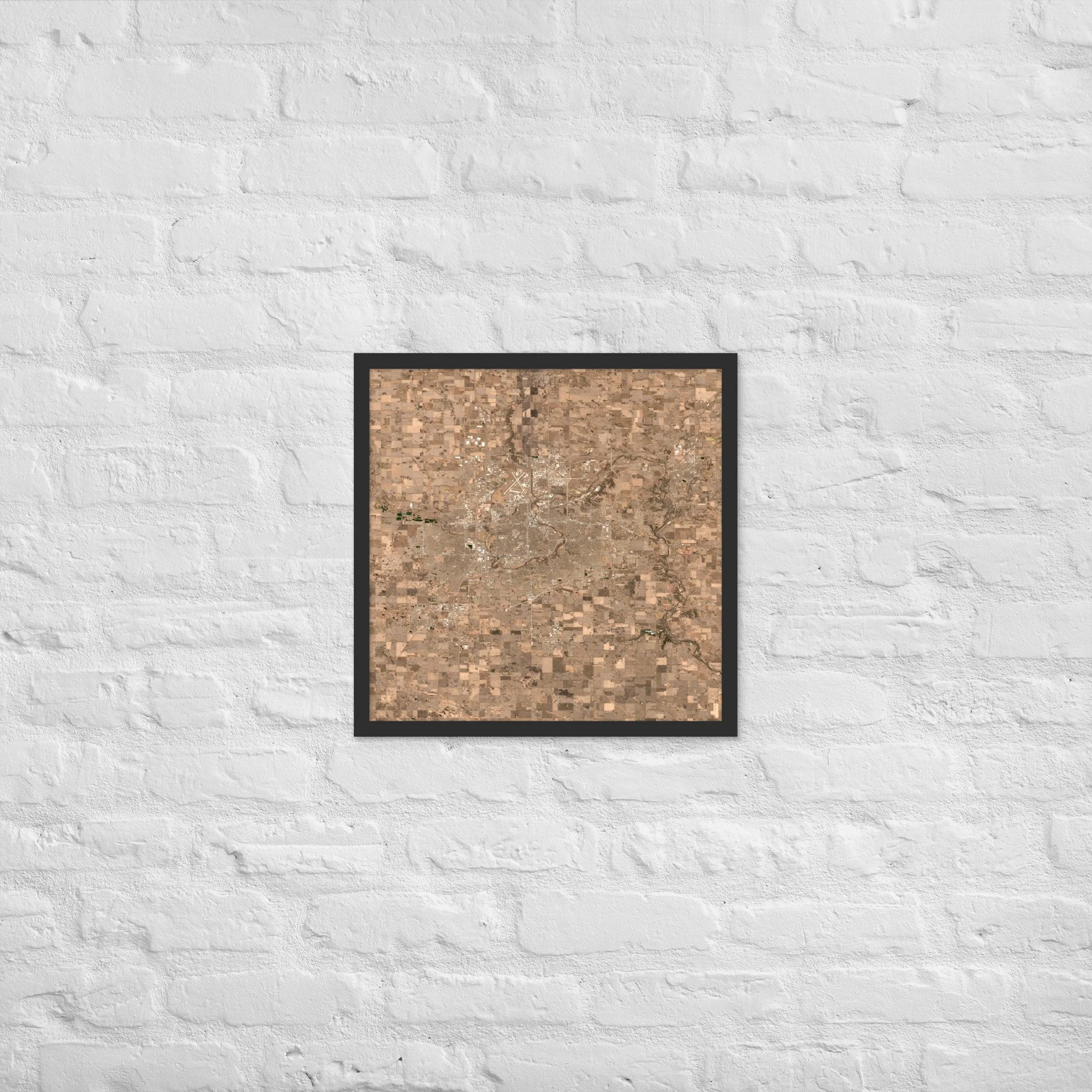
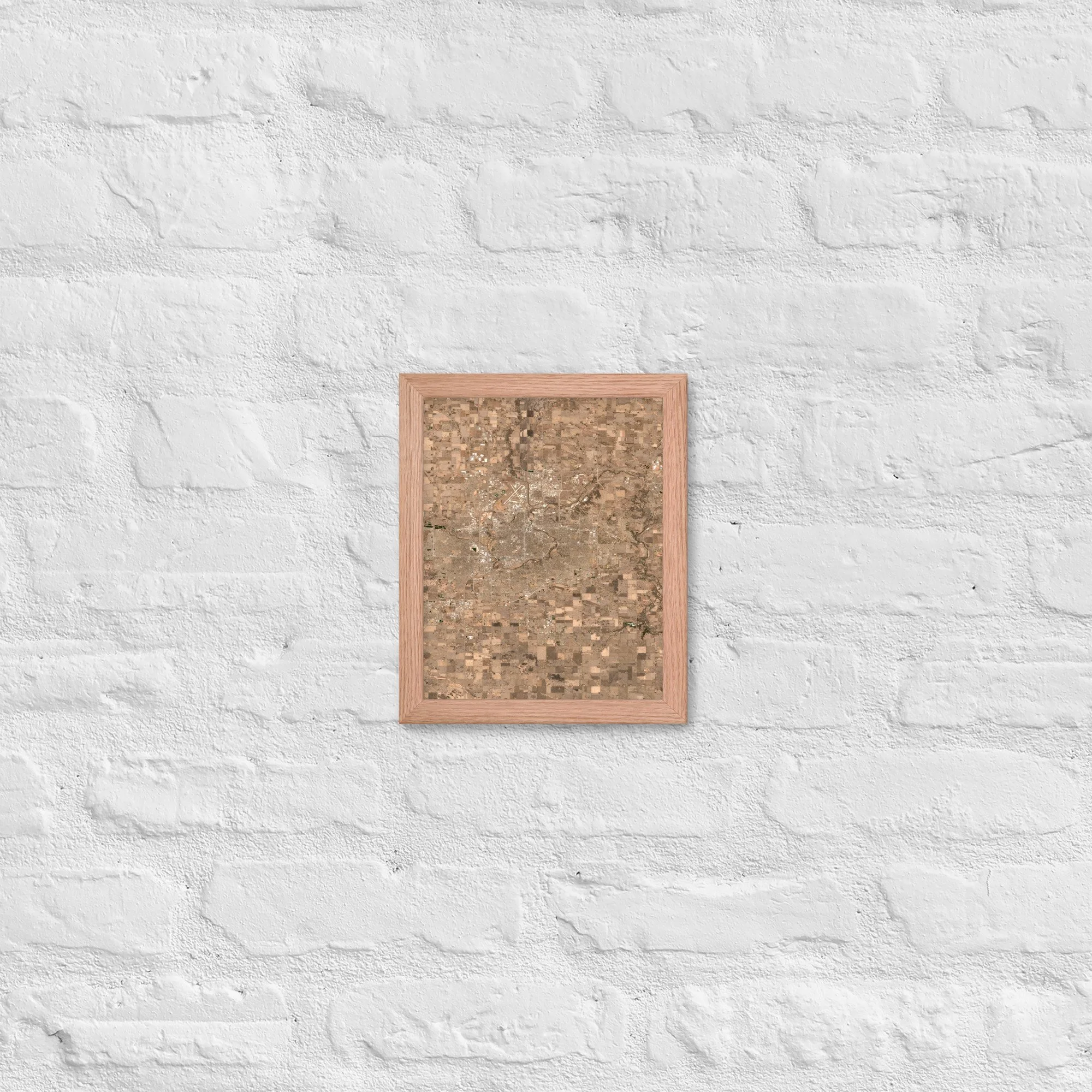
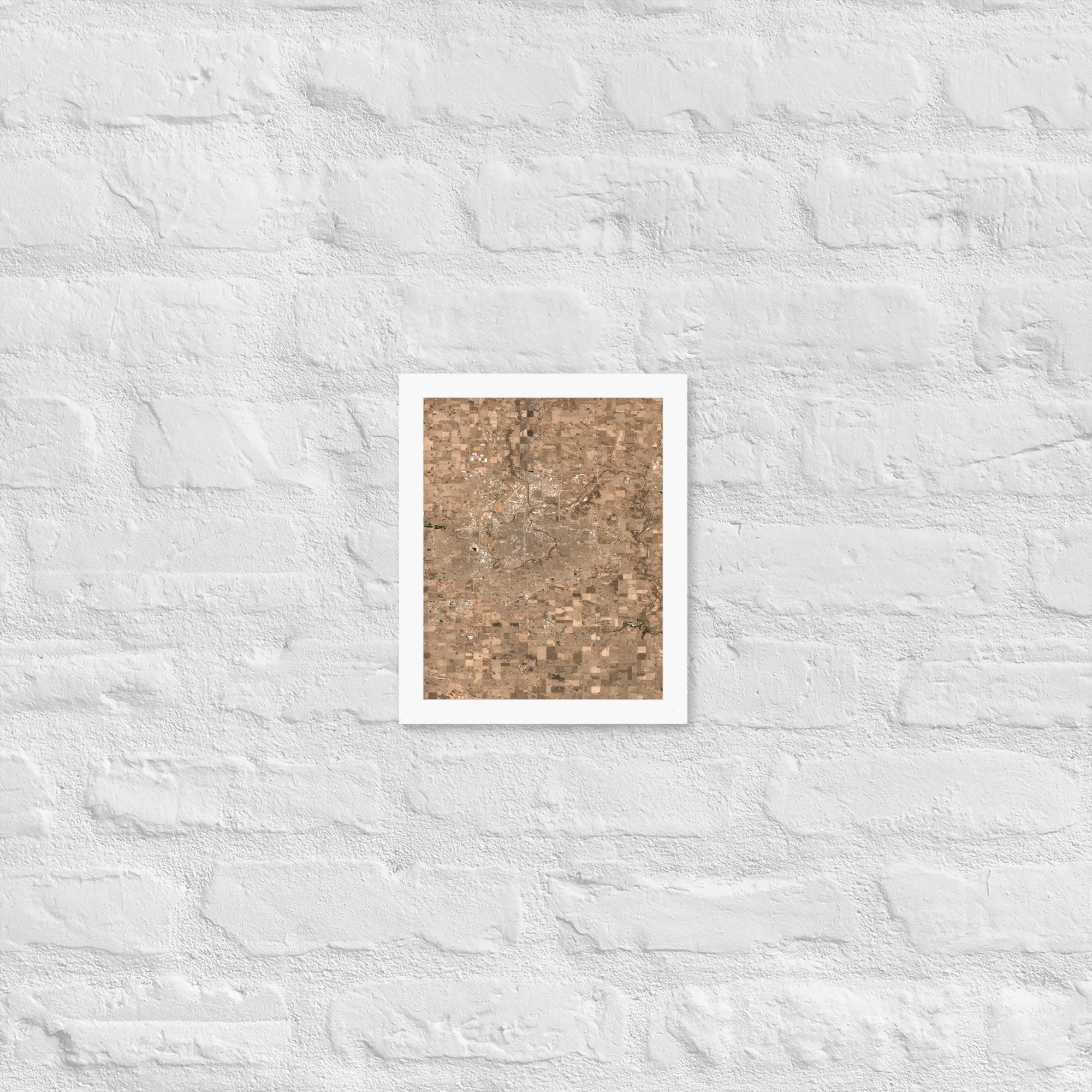
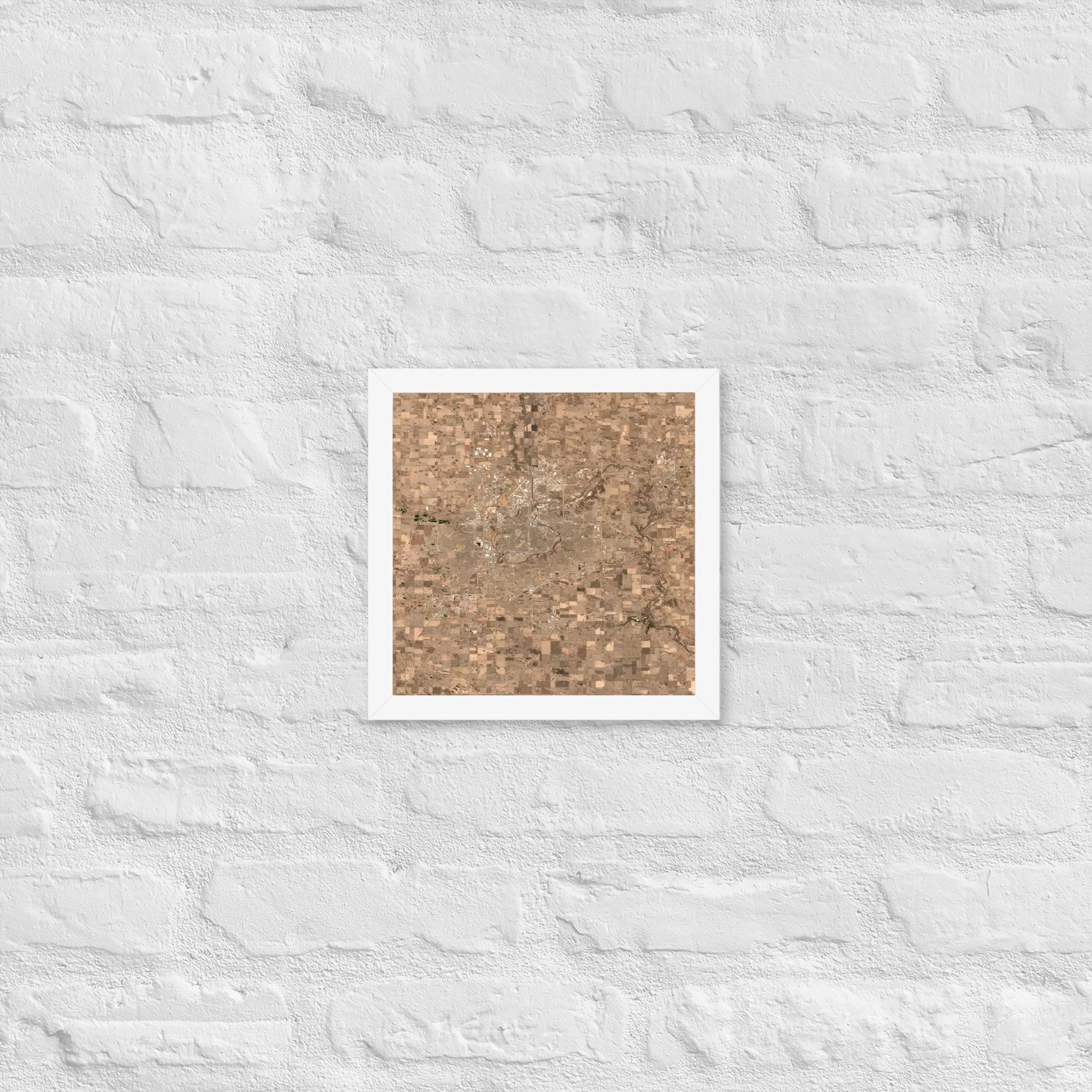
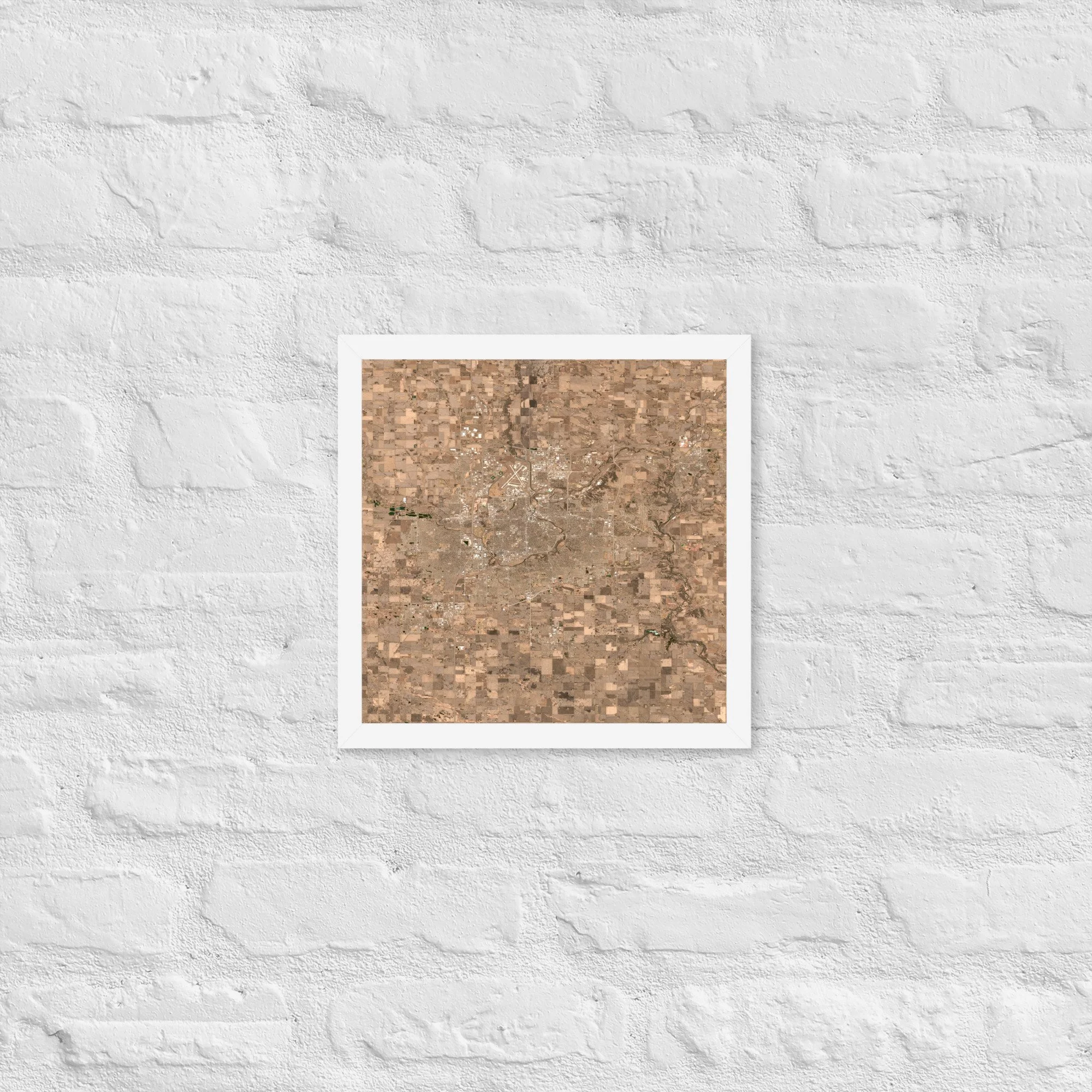
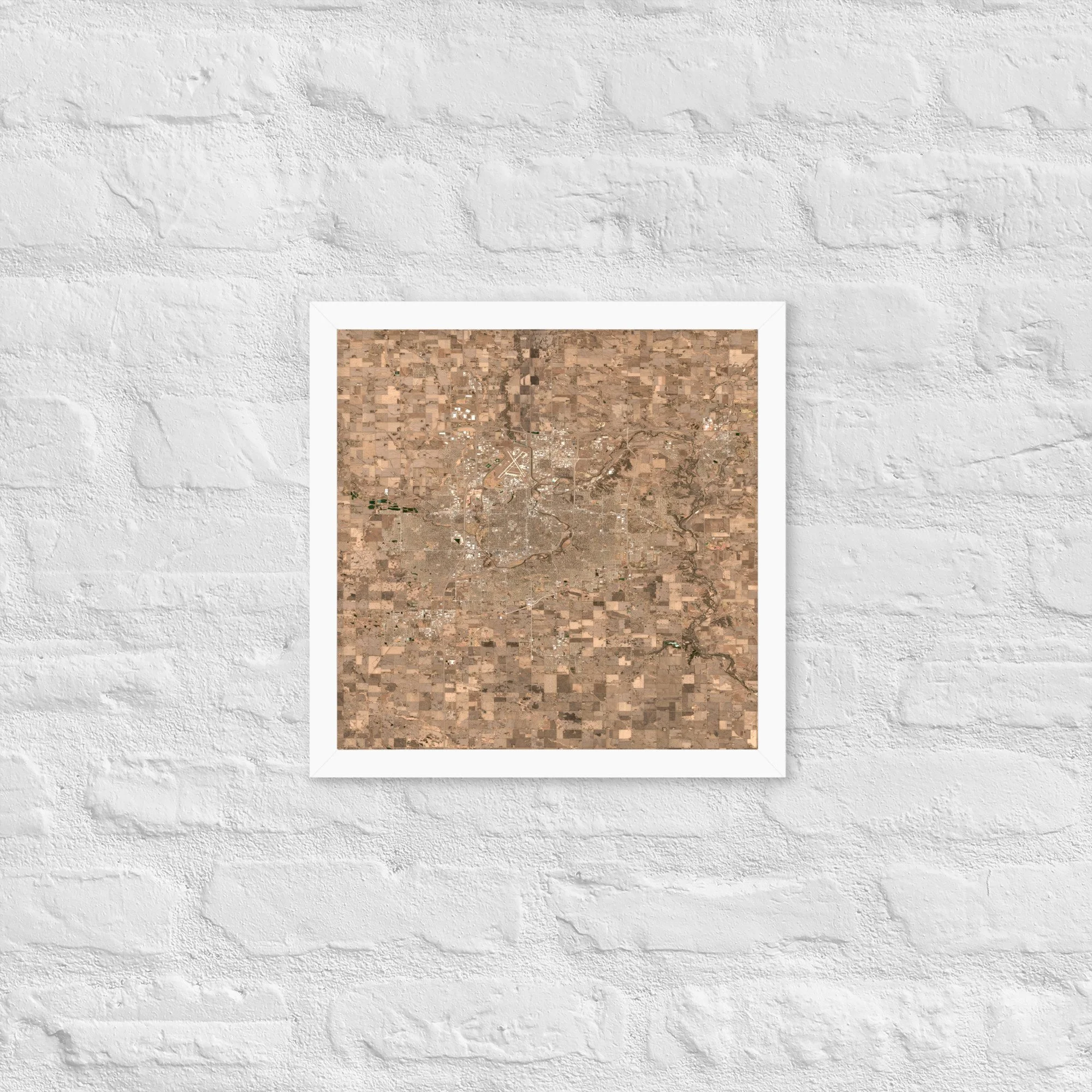
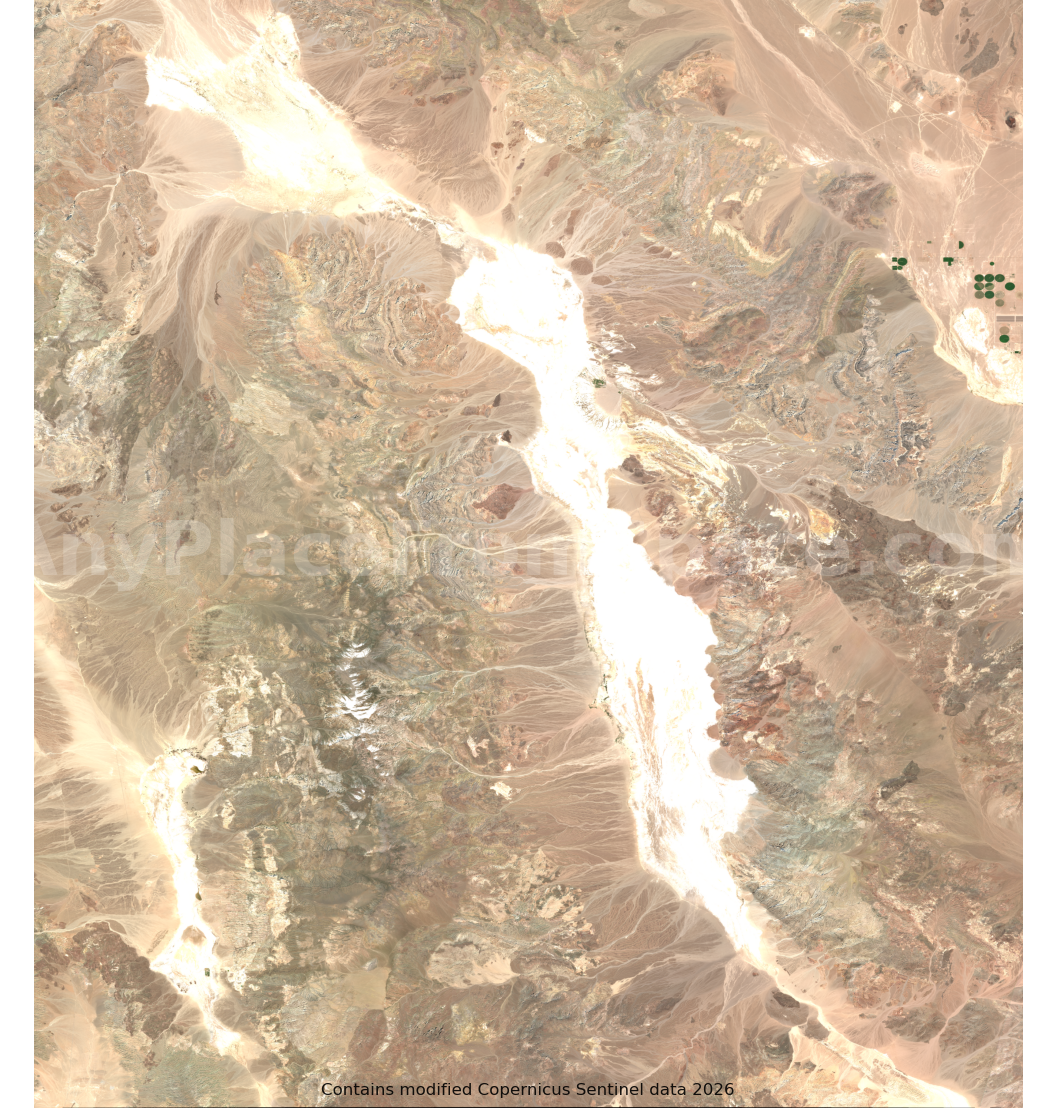
High-resolution satellite image showing Death Valley National Park captured on March 20, 2026.

Death Valley National Park – March 20, 2026

This image showcases Death Valley National Park on March 20, 2026. Visible features include expansive desert basins, rugged mountain ranges, and the striking salt flats that make Death Valley one of the most unique landscapes on Earth.

At the center of the image lies Badwater Basin, the lowest point in North America, where bright white salt flats contrast sharply against the surrounding tan and brown desert terrain. From space, these salt deposits form intricate patterns that highlight the extreme dryness and mineral composition of the valley floor.

Surrounding the basin, the Panamint Range and Amargosa Range rise dramatically, creating deep shadows and sharp ridgelines that emphasize the park’s dramatic elevation changes. Alluvial fans spread outward from the mountains, forming natural geometric patterns as sediment flows into the valley below.

Seasonal variations in soil moisture and mineral deposits create subtle color shifts across the landscape, ranging from pale beige to deep rust tones. These natural patterns make Death Valley one of the most visually striking locations visible from orbit.

Captured from orbit using modified Copernicus Sentinel-2 data 2026, this high-resolution satellite image reveals the raw scale, texture, and beauty of one of the hottest and driest places on Earth.

High-resolution satellite image showing Death Valley National Park captured on March 20, 2026.

Death Valley National Park – March 20, 2026

This image showcases Death Valley National Park on March 20, 2026. Visible features include expansive desert basins, rugged mountain ranges, and the striking salt flats that make Death Valley one of the most unique landscapes on Earth.

At the center of the image lies Badwater Basin, the lowest point in North America, where bright white salt flats contrast sharply against the surrounding tan and brown desert terrain. From space, these salt deposits form intricate patterns that highlight the extreme dryness and mineral composition of the valley floor.

Surrounding the basin, the Panamint Range and Amargosa Range rise dramatically, creating deep shadows and sharp ridgelines that emphasize the park’s dramatic elevation changes. Alluvial fans spread outward from the mountains, forming natural geometric patterns as sediment flows into the valley below.

Seasonal variations in soil moisture and mineral deposits create subtle color shifts across the landscape, ranging from pale beige to deep rust tones. These natural patterns make Death Valley one of the most visually striking locations visible from orbit.

Captured from orbit using modified Copernicus Sentinel-2 data 2026, this high-resolution satellite image reveals the raw scale, texture, and beauty of one of the hottest and driest places on Earth.

File Format:
• High-resolution PNG file

Delivery:
• Instant digital download available after purchase

Uses:
• Digital Wallpaper
• Desktop Background
• Web Content
• Print-ready for posters, postcards, or other memorabilia

Additional Information:
This high-resolution image makes a great wallpaper, desktop background, or a unique visual element for your own web content.

Attribution:
• Contains modified Copernicus data 2025
• Image processed by Any Place From Space
• Attribution for Any Place From Space is not required, but we really appreciate referrals to AnyPlaceFromSpace.com

Looking for an image from a different date, or a different location?
Submit a custom request →